
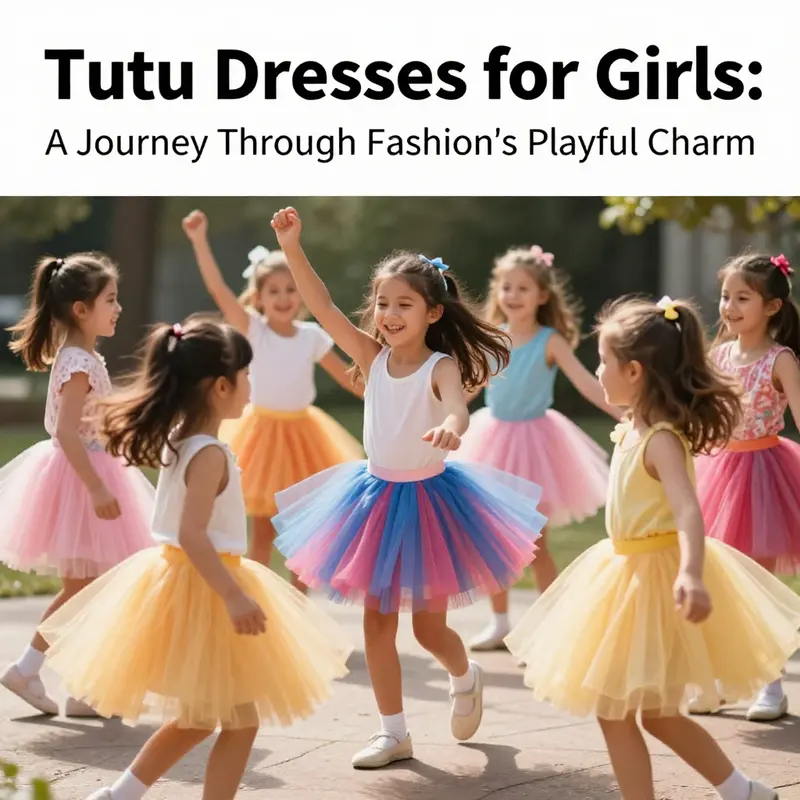
Tutu dresses have evolved from their traditional roots in ballet to become a versatile staple in girls’ fashion. These enchanting garments blend fun and style, making them perfect for various occasions from dance recitals to casual playdates. As a business owner in fashion, understanding the trajectory of tutu dresses, the latest market trends, and their cultural significance in celebrations can provide valuable insights for enhancing your product offerings. The following chapters will delve into the evolution of tutu dresses, emerging market trends, and the role of tutus in cultural celebrations, equipping you with the knowledge to navigate this vibrant niche of children’s fashion effectively.
From Ballet Studio to Birthday Party: The Gentle Evolution of Tutu Dresses for Girls

The tutu, with its whisper-soft layers of tulle and a waistline that sits just so, has long carried the language of dance. But in the hands of designers and parents alike, it has learned to speak another dialect—a language of everyday joy. This is the story of how a garment born to illuminate the discipline of ballet matured into a beloved staple of many girls’ wardrobes. It is a story of movement becoming play, form evolving into function, and craft becoming comfort without surrendering the magic that makes a twirl feel like a small, bright rebellion against the ordinary.
In the earliest form, the tutu was a documentary of a dancer’s discipline. It required a precise silhouette and a particular posture to showcase movement with clarity. The seams were neat, the layers deliberate, and the overall effect was a visual instrument tuned for performance. Yet as soon as the studio lights faded, the magic of the tutu began to spill over into ordinary moments, and the garment began to shed some of its ceremonial stiffness. It did not abandon its roots; it simply loosened its grip on the stage and opened its doors to everyday life. The modern tutu dress you find in a girl’s closet is rarely a replica of a dancer’s costume. It is a reinterpretation—one that retains the essence of flutter and grace while inviting spontaneous play, easy care, and an affordable path to multiple looks for a child who grows by the season.
One of the most noticeable shifts is in the way the skirt moves. The classic tutu often relies on a structured undergarment and a mass of tulle that stands away from the hips, creating a starched halo of fabric. In today’s designs, the silhouette is less about projection and more about fluidity. Layers of soft, airy tulle cascade in a way that catches the light and the breeze with equal ease. The result is a dress that invites tumbling, spinning, and the full-body expression of happiness that comes with a fearless twirl. This ease does not come at the expense of charm. Modern tutu dresses pair the volume with gentle curves, often balancing a full skirt with a snug bodice that stays in place during play. The effect is a flattering, forgiving look that makes dancing or pretending feel effortless, whether the wearer is practicing a simple plie in the living room or taking center stage at a family gathering.
Color and embellishment have followed a parallel arc. The palette has expanded from the traditional white or pale pink to a spectrum of hues that can align with birthdays, holidays, or favorite themes. Reds and greens, once almost ceremonial indicators of a seasonal celebration, have found a home in everyday festivity, too. A child can be a walking ornament of holiday cheer without needing a formal occasion to justify the sparkle. Embellishments—sequins that catch the sun, lace accents that soften the edge of the tulle, subtle embroidery, or small character appliqués—have become less about signaling a formal mood and more about enabling personal storytelling. A tutu dress now serves as a canvas for the child’s imagination, whether she wants to be a princess for a party, a fairy at a family wedding, or a fearless explorer at a weekend carnival. Each design aims to be eye-catching without overwhelming, practical enough for daily wear yet special enough to mark a moment that deserves a memory.
The design language has also broadened to accommodate various events beyond the stage. Birthday parties become mini-recitals of style, where a tutu dress acts as both costume and everyday dress, capable of carrying a child through cake cutting, game playing, and candid photographs with equal grace. School events and casual outings can feel more festive when a tutu adds a little dress-up magic to a simple outfit. For family celebrations and informal weddings, the tutu dress offers a refined charm that sits comfortably in a crowd, avoiding the stiffness that could hamper a child’s ability to move freely while adding the element of curated cuteness to the occasion. The flexibility of use—formal enough for a recital, relaxed enough for a park visit—has played a crucial role in the tutu’s enduring appeal. It is no longer a garment locked to a single performance or a single mood; it is a wardrobe staple capable of calibrating itself to the rhythm of a child’s day.
A crucial component of this evolution is the shift toward comfort and affordability. Early tutus demanded careful maintenance and were often priced out of reach for everyday wear. What we now see is a more democratized approach to tutu design, where soft fabrics, easy-care finishes, and adjustable features invite wide participation. Waistbands have become stretch-friendly, sometimes with elastic bands or adjustable ties, ensuring the dress can grow with the child or adapt to different body shapes. This inclusivity matters. It expands who can enjoy the experience of wearing a tutu, not just a select few who can afford a performance-grade costume. It also respects the realities of busy families juggling school, practice, and weekend activities. The practical details—machine-washable fabrics, durable stitching at the seams, and colorfast dyes that withstand repeated wear—are not afterthoughts but fundamental elements that make a tutu dress viable as an everyday option. The aim is not to dilute the magic but to sustain it through the ordinary rhythms of childhood.
As the tutu moved into more casual spaces, designers began to experiment with form and function in ways that extend its life beyond a single season. Some designs favor a shorter hem for mobility, others offer multiple layers with varying lengths to create a playful, layered effect that can be teased or ruffled as desired. The mix-and-match aesthetic—combining a tutu with a different top, shoes, or accessory—has become part of the charm. This flexibility aligns with how children explore identity through dress. A tutu dress can read as candy-colored whimsy one day and as a touch of fairy-tine elegance the next, depending on how it is styled. This fluidity mirrors broader trends in children’s fashion, where practicality and imagination intersect. It is not about choosing one look and sticking with it; it is about composing a personal style that grows with the child’s interests and activities. And because many families need options that can transition from a casual playdate to a more formal gathering, the modern tutu dress often arrives with a thoughtfully designed balance of chic and comfort.
A further dimension of the evolution is the way tutu dresses accommodate a wider range of aesthetic preferences. The market now embraces both the timeless romance of soft pastels and the exuberant energy of bold hues and metallics. It respects the tastes of little dreamers and acknowledges the varied celebrations that line a child’s calendar. Some children are drawn to the delicate charm of a lace-trimmed layer, while others gravitate toward the spirited shimmer of sequins that catch the light at a birthday party or a parade. The possibility of character-themed options has broadened the narrative further, enabling a tutu dress to symbolize favorite stories or icons in a way that feels intimate and personal. Even within this horizon of choice, the emphasis remains on safety and comfort: non-irritating fabrics, gentle seams, and body-conscious fits designed for dynamic movement. The modern tutu dress, in other words, respects both the child’s need to move freely and the guardian’s desire for durability and ease of care.
This evolutionary arc is not simply about the garment itself but about the ecosystems that support it. It involves retailers and designers who respond to parent and child feedback with designs that tolerate the rough-and-tumble of daily life. It involves craftspersons who choose fabrics that maintain a light, airy feel while resisting wrinkling and crushing during travel and play. It involves marketers who recognize that a tutu dress can be a first step toward a lifelong appreciation of fashion, artistry, and self-expression. The tutu becomes a rite of passage in miniature, a wearable reminder that dressing up can be an everyday joy rather than a rare, initiating event. In households where a girl learns to balance sparkle with practicality, the tutu becomes less about a single moment and more about a sequence of moments—a string of twirls, each building confidence, each inviting a new version of herself to emerge.
The conversation around tutu dresses also intersects with broader conversations about inclusivity, diversity, and access in children’s fashion. As styles have diversified, so too have sizing and fit options. The shift toward size-inclusive offerings means more girls can enjoy the look and feel of a tutu without discomfort or self-consciousness. It is a reflection of how fashion, at its best, recognizes and respects the full spectrum of young bodies and growing identities. Accessibility extends beyond size. It includes the ability to find options that reflect cultural preferences, occasion needs, and personal values. Some families seek designs that honor traditional celebrations, while others are drawn to modern silhouettes that suit school events or casual weekends. The common thread is a sense of agency: the chance for a child to choose, mix, and match in a way that feels true to them. This is the heart of the tutu’s current chapter—a garment that listens to children’s desires and responds with mercy and grace.
For those who plan events or stage performances where a tutu dress might appear, the evolution still holds practical significance. The modern tutu offers a balance of drama and ease, enabling a child to participate in activities with fewer constraints. It supports a child’s first attempts at dance, allowing them to enjoy the sensation of moving through air as the skirt sways in rhythm. It also supports the social rituals that mark childhood—friends, family, shared photos, and the sense of belonging that comes from dressing up for a special day. In this sense, the tutu is not merely clothing; it is a catalyst for memory-making. It provides a vehicle for storytelling—whether the story is about a birthday, a family wedding, a school pageant, or a spontaneous moment of pretend play. The tutu’s evolution is a reminder that fashion can be generous: it can be affordable, comfortable, and endlessly imaginative at once.
As this journey continues, the curriculum of design becomes clearer: prioritize movement, celebrate color, and honor the child’s rhythm. The modern tutu dress is the product of listening—listening to children who twirl with gusto, to parents who want reliable clothing that supports daily life, and to designers who translate those needs into fabric, seam, and silhouette. It is a collaboration across households, retailers, and workshops that values quality as much as whimsy. The result is a genre of dress that carries the aura of performance while becoming a reliable option for everyday wear. In the end, the tutu’s evolution embodies a broader truth about children’s fashion: beauty can be practical, magic can be approachable, and a single garment can inspire countless moments of joy. The girl who wears a tutu dress is not only dressing for a party or a recital; she is stepping into a version of herself that longs to dance, imagine, and explore. That is the enduring magic of the tutu—a gentle evolution that keeps twirls alive long after the final bow.
To explore the gentle romance and playful variety of tutu designs that lean into this tradition while expanding into new possibilities, consider the romantic repertoire of styles that emphasize soft silhouettes and whimsical details. For a curated glimpse into these designs, you can browse the Romantic Tutu category, which gathers pieces that blend classic charm with modern comfort. Romantic Tutu category. This collection exemplifies how a single concept can adapt to different moments and moods, from quiet fairytale moments to lively celebrations, all while maintaining the delightful silhouette that first drew children to the tutu in the first place.
The evolution of tutu dresses for girls is, at its core, a story about dance as a daily practice of joy. It is about creating space where movement, color, and imagination can coexist with the demands of everyday life. It is about a garment that can hold a family’s memories—the photo with a favorite cousin, a grandmother’s kiss as a child spins, a first school performance, a birthday crown resting atop a tulle swirl. It is a reminder that fashion at its best is not about chasing trend after trend, but about offering children a way to participate in the culture of celebration with whole hearts and happy, unselfconscious twirls. The tutu, once a specialized tool for the body in motion, has become a generous invitation to play, to dream, and to be seen in the most hopeful light of childhood.
External reference: for broader context on fashion trends that influence children’s dress and the evolving relationship between stagewear and everyday wear, see https://www.vogue.com/article/kids-fashion-trends
Twirls and Trends: The Modern World of Tutu Dresses for Girls
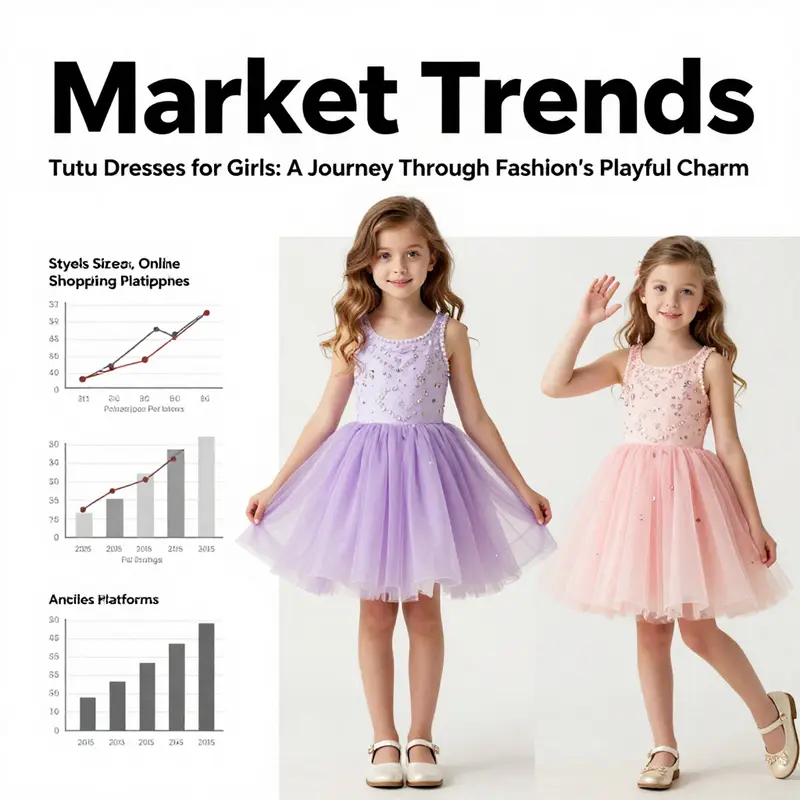
Tutu dresses for girls sit at a crossroads of play and performance. From the first twirl in a living room stage to a birthday party where imagination takes center stage, the tutu is more than fabric. It is a language children use to tell stories about themselves. The layers of tulle, the sway with every spin, the soft rustle after a quick dash across a sunlit floor—these details accumulate into a sense of possibility.
In the current market, tutu dresses reflect a broader shift toward versatility, inclusivity, and storytelling power while honoring the simple joy of movement. The tutu has become a vehicle for self expression that kids can curate with their own choices and moods, day by day and occasion by occasion. A single dress can be dressed up with shiny shoes for a formal moment or paired with sneakers for everyday adventure, becoming a wardrobe staple that respects both the brevity of a childhood phase and the need for durable, comfortable clothing that supports active movement.
Designers and retailers respond with a spectrum of styles. Classic silhouettes—full, layered skirts that float with movement—stay timeless, while contemporary interpretations expand the vocabulary. Minimalist separates, character-inspired designs, and themed options invite children to inhabit a fantasy world for a few hours and then switch to another self for the next moment of play. This fluidity mirrors how modern childhood is experienced—hybrid, exploratory, and deeply imaginative.
Beyond looks, the market now centers on fit and fabric. Sizes are becoming more inclusive, with attention to comfort, safety, and confidence during rehearsals, gym performances, and weekend performances. Breathable, skin friendly fabrics are favored, and blends or lining fabrics add softness against the skin. The goal is to balance magical drama with wearability, so a tutu can accompany a child through many moments of growth and change.
Seasonal and occasion driven demand shapes color stories as well. Holiday lines often embrace rich reds and emerald greens, while spring recitals might feature pastels or ivory layers for a refined look. The tutu is a chameleon that can adapt its mood to the event while preserving the sense of wonder that makes it beloved.
Online shopping has become the dominant channel, reshaping how families compare options, read reviews, and read detailed product descriptions about fabric, care, and size. Clear size charts and measurement guidance help parents choose with confidence, and filtered search by size, color, and price speeds the process. At the same time, fit remains a critical variable when buying remotely, so brands increasingly offer longer return windows and better sizing guidance.
Care and sustainability have entered the conversation as well. Parents increasingly seek durable, multi-season wear and materials that resist wear or can be recycled or repurposed when a child outgrows a dress. Designers respond with durable constructions, reversible or modular features, and transparent information about materials and care. The tutu thus becomes not only a fashion item but a catalyst for conversations about responsibility and values.
For families navigating this landscape, a practical approach blends curiosity with discernment. Start with formality and comfort, then match fabric and lining to a child’s sensitivity and activity level. Check sizing and consider a room-to-grow option. Finally, read care instructions and confirm warranty or return options. A thoughtful decision process can help a tutu become a cherished piece that grows with a child, rather than a single-use costume.
In the evolving market, tutu dresses for girls tell a larger story about childhood. They celebrate movement, imagination, and the power of clothes to support confidence and curiosity. And as retailers introduce more inclusive sizes, better fabrics, and clearer product details, the tutu remains a trusted ally in a child’s daily theater, inviting every little dancer to spin, dream, and imagine the world anew.
Tutus in Time: Celebrating Joy, Identity, and Imagination in Girls’ Fashion
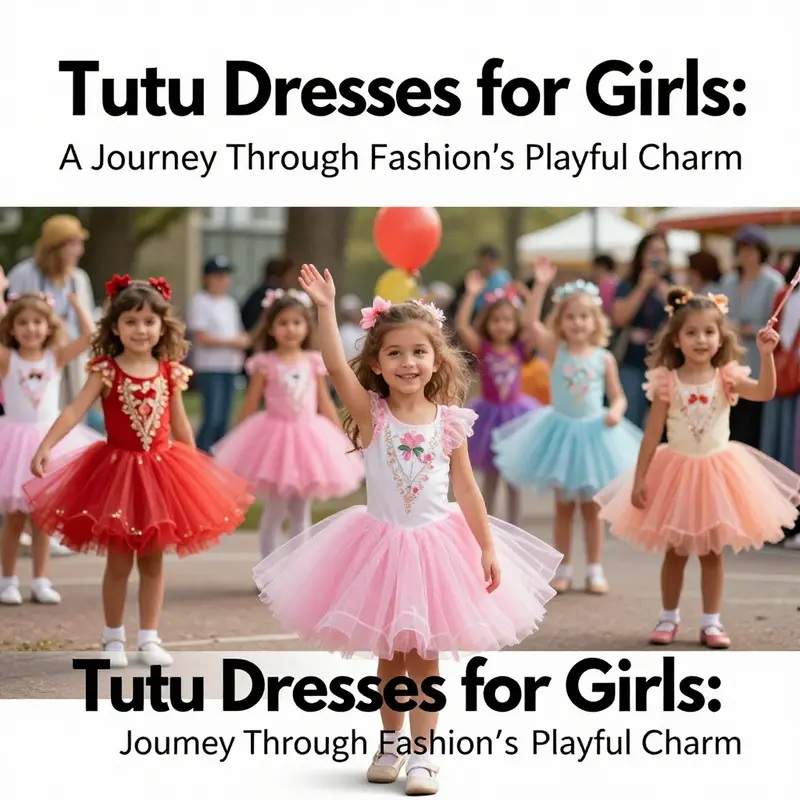
The tutu holds a quiet power that outshines its delicate exterior. It is more than a garment; it is a narrative stitched in layers of tulle, a wearable fairy tale that travels from studio to schoolyard, from birthday tables to holiday parades. For many families, the tutu becomes a recurring page in a child’s memory book, a piece of clothing that signals a moment of play, performance, or belonging. Its appeal rests not only in the way it catches light as a girl sways or spins, but in the way the garment invites a child to speak in color, to imagine herself as a performer, a princess, or a brave explorer in a glittering, softly swaying veil of fabric. The cultural resonance of the tutu, then, emerges from its shape and texture, but more deeply from the rituals that surround it. When a family chooses a tutu for a birthday, a recital, or a family photoshoot, they are selecting a garment that can be tailored to the mood of the occasion, the personality of the child, and the shared story the family wants to tell that day. In this way the tutu becomes a vehicle for memory making, a portable stage where imagination meets social meaning.
From its origins in the world of classical ballet, the tutu has traveled far beyond the confines of a theater stage. Ballet brought the tutu into the public imagination as a symbol of grace, discipline, and artistry. Yet over time, the same silhouette—the rounded, layered skirt that seems to hover just above the knees—transformed into a beloved staple of children’s wardrobes. The transition was not a mere shift in fashion; it was a cultural expansion. Parents embraced the tutu not solely as a costume for formal occasions but as a versatile expression of childhood joy. As a result, the tutu has become a fixture in homes and classrooms, a cloth canvas upon which the daily rituals of play and celebration are painted. Its layers create an effect that is at once theatrical and approachable, a contrast that resonates with both the seriousness of performance and the lightness of play.
Color plays a pivotal role in this translation from stage to everyday life. The tutu’s color palette is more than a preference for aesthetics; it is a language that communicates mood, intention, and social meaning. Bright primary colors can signal exuberance and invitation, a visual shorthand for parties and festive gatherings. Pastels soften the scene, making play feel gentle and inclusive, while deep jewel tones lend a sense of drama to a birthday party or a family photo session. The layered tulle itself acts like a lens, refracting light as the wearer moves, creating a shimmer that can seem almost magical to a child and to the adults who watch. The design’s emphasis on softness and movement aligns with children’s developmental needs—kinesthetic exploration, safe tactile feedback, and opportunities to practice balance and coordination. When a girl spins, the skirt lifts in a playful arc, and she experiences a small, tangible sense of momentum and control, a feeling that can bolster confidence during performances or simply during a lively afternoon in the living room.
The social meaning of the tutu is especially visible in family gatherings and community celebrations.Birthdays often become stage-like events in which the tutu functions as a “passport to imagination.” A girl wearing a tutu can become a princess, a rock star, or a weather goddess, depending on the party’s theme and the child’s own ideas. The garment thus serves as a catalyst for storytelling and role-play, shaping conversations, games, and photographs that help preserve memories long after the candles have blown out. Holidays, too, offer a stage for tutu-centered ensembles, where red, white, and other vivid color combos can evoke shared rituals, national pride, and festive warmth. In these moments, the tutu crosses the boundary between costume and everyday wardrobe, becoming something that a child might wear not only for a special event but for a day of family fun or a school performance, thereby normalizing imaginative dressing as a familiar and welcome part of childhood.
Beyond the obvious thrill of dress-up, the tutu carries a more enduring value: it supports personal expression. A girl who chooses a purple, a burgundy, or a turquoise tutu is not merely selecting a color; she is making a statement about who she wants to be in that moment. The garment invites negotiation with peers and adults alike—will the tutu match the shirt, or perhaps the accessories will carry the day? Will the decision be about comfort, or will it be about a bold visual declaration? In settings from classroom performances to family picnics, the tutu acts as a flexible instrument for building a sense of agency. As children experiment with different looks—layering ruffles, pairing with sparkles, adding a tiara or a wand—they learn to make choices, tolerate risk (as in stepping into an unfamiliar role), and interpret the reactions of others. In this way, a tutu supports the social and emotional development that is central to early childhood.
The contemporary tutu, while echoing ballet’s lineage, also embraces a broader spectrum of cultural imagination. Designers and educators alike have explored themes that honor national identity, local folklore, and global storytelling. Imagine a red-and-blue ensemble that nods to patriotic celebration while inviting a child to imagine a future where imagination and citizenship are not in tension but in harmony. Consider a pink-tinged set designed for a Valentine’s Day party that pairs with storytelling about kindness and friendship, turning a simple outfit into a didactic moment about empathy and social connection. Or think of a burgundy, jewel-tone version that nods to stage performance while remaining accessible for school recitals and family gatherings. The tutu, thus, becomes a versatile artifact, capable of carrying a personal narrative as well as shared cultural narratives.
In classrooms and community spaces, the tutu also functions as a bridge between play and performance. It offers a bridge from informal dress-up to structured ritual, from improvisation to choreography. A bubble tutu, with its airy silhouette, can catalyze casual, spontaneous movement during recess or a mother-tathered dance at a weekend party. A layered, more formal design can anchor a school recital, giving the child a visible sense of preparedness and pride. Importantly, comfort remains a guiding principle in contemporary tutu design. Soft linings, adjustable closures, and careful seam work are not afterthoughts; they are essential to the wearer’s experience. When a garment feels gentle against delicate skin, a child is more willing to explore movement, take the stage, or simply be herself in a social setting. The idea that a piece of clothing can be both beautiful and comfortable is central to the tutu’s enduring appeal.
Cultural symbolism within tutu-wearing moments also evolves as communities explore new forms of celebration. The red, white, and blue palette, for example, can become a proactive celebration of national pride that blends patriotic symbolism with fantasy, allowing girls to embody “patriotic princesses” during holiday parades or community events. Conversely, a brighter, multicolored set can underscore the joy of everyday celebrations, turning a routine birthday party into a moment of shared storytelling and community bonding. The tutu’s adaptability mirrors the flexibility that families seek in modern parenting: the recognition that celebration can be meaningful without being formal, that dress and play can coexist with learning and social connection.
As industry and fashion education continue to emphasize inclusive design, the tutu’s role in childhood development broadens even further. Contemporary lines increasingly address a range of body types, ensuring that the fabric feels accommodating and flattering across sizes. This inclusivity matters not just for physical fit but for emotional resonance; when a child sees herself reflected in a garment’s size, silhouette, and color, the experience becomes more affirming. The emphasis on comfort, fit, and ease of wear supports ongoing participation in family activities and school life, rather than creating a barrier between a child and her moment of expression. In practice, this means adjustable waistbands, soft fabrics, smooth seams, and thoughtful layering that allows for movement without sacrificing style. The result is a tutu that addresses real-life needs—active play, performance, and the everyday moments that accumulate into a child’s sense of identity.
The historical arc and modern variations of the tutu intertwine with the broader narrative of girls’ fashion as a form of storytelling. The garment invites play, but it also conditions the way children relate to beauty, performance, and social ritual. A girl who wears a tutu learns that clothing can be a stage for self-presentation, a space where she can curate her own appearance and, by extension, shape the way others perceive her in a given moment. This is not vanity alone; it is a rehearsal for self-possession, an early practice in how we present ourselves to the world. The tutu’s layered structure supports this practice. Each layer can be imagined as a page in a story, a chapter that becomes visible when the wearer moves. The choreography of twirls and bows becomes a form of language, a way to communicate excitement, curiosity, and courage without words. The garment can therefore become a daily teacher, guiding a child through the rhythms of social life, the turns of a dance, and the gentle art of choosing how to show up.
For families navigating a crowded market of options, the tutu offers a balance of variety and clarity. One can find an array of styles designed to suit various occasions, from ceremonial to casual, from stage-ready to everyday play. The choices reflect a spectrum of needs and preferences: a classic frilly silhouette for formal moments, a bubble cut for carefree afternoons, or a jeweled touch that adds sparkle for a special event. The designs often incorporate matching accessories such as tiaras, wands, or simple headbands, reinforcing the sense of a cohesive theme while allowing room for personal interpretation. The practical considerations—seasonal wear, ease of cleaning, and durability—also shape selection. Families may look for skirts with easy-care fabrics or colorfast dyes to ensure the tutu remains vibrant through multiple wears and washes.
As readers consider the role of the tutu in celebrations and fashion, it helps to imagine the garment not as a single item but as a small ecosystem that contains aesthetics, memory, and social practice. The fabric’s movement, the color’s symbolism, and the accessory’s sparkle work together to create a narrative space where a child can rehearse moments of joy, resilience, and community belonging. In schools and performance spaces, tutus can also demystify the idea of public display. They offer a safe, familiar entry point into the idea of being seen, of performing in front of others, and of enjoying praise and critique in a supportive environment. The sensations—the swish of tulle, the light scratch of a tiara, the pressure of an elastic waistband—become part of a child’s early education in sensory literacy, a foundation for future confidence in varied settings.
In the evolving marketplace, curated design and inclusive sizing play essential roles in ensuring that the tutu remains accessible to a broad range of children. Thoughtful production practices, comfortable fabrics, and adjustable features help more families participate fully in celebrations and school-life moments. The tutu’s appeal, therefore, lies not only in its decorative charm but in its capacity to adapt to a child’s changing needs, preferences, and contexts. Whether a girl wears it for a family birthday, a classroom performance, or a spontaneous dance in the living room, the tutu offers more than fashion—it offers a shared language of delight and possibility.
To explore how basic tutu styles are organized online and to glimpse practical options for everyday dressing, readers can visit a general tutu category page that presents a range of foundational designs. This entry point helps families understand the core silhouettes, layers, and closures that define the genre, while leaving room for experimentation with color, texture, and accessories. basic tutu category.
As we look toward the future of tutu-wearing in girls’ fashion, the convergence of comfort, creativity, and cultural storytelling remains central. Designers and educators alike are drawn to garments that invite participation, not just admiration. The tutu’s layered skirt, soft fabrics, and gentle movement together form a tangible reminder that dressing for celebration is, at its heart, a practice in self-expression and social connection. The result is a garment that travels with a child through seasons of growth, enabling moments of performance and play to become cherished memories. In classrooms, at family events, and in the countless little moments that fill a day, the tutu becomes a gentle companion—a constantly available invitation to imagine, to belong, and to celebrate the vibrant, evolving story of girlhood.
External resources that illuminate the broader landscape of tutu design and cultural use offer deeper insights into how these garments balance style, comfort, and celebration across events. For further reading, see an external article that analyzes colorful party tutu dresses and explains how designers balance aesthetics with practical wear (https://www.fashiondesigngirls.com/colorful-party-tutu-dresses-explained).
Final thoughts
Understanding the journey of tutu dresses for girls, their current market trends, and cultural roles in celebrations is essential for business owners looking to enhance their offerings. As the demand for stylish and comfortable children’s fashion continues to grow, embracing the playful charm of tutu dresses can lead to creative opportunities for product development and audience engagement. Tutu dresses are more than just garments; they embody the spirit of joy and creativity in young girls, making them a cherished choice in the world of children’s fashion.