
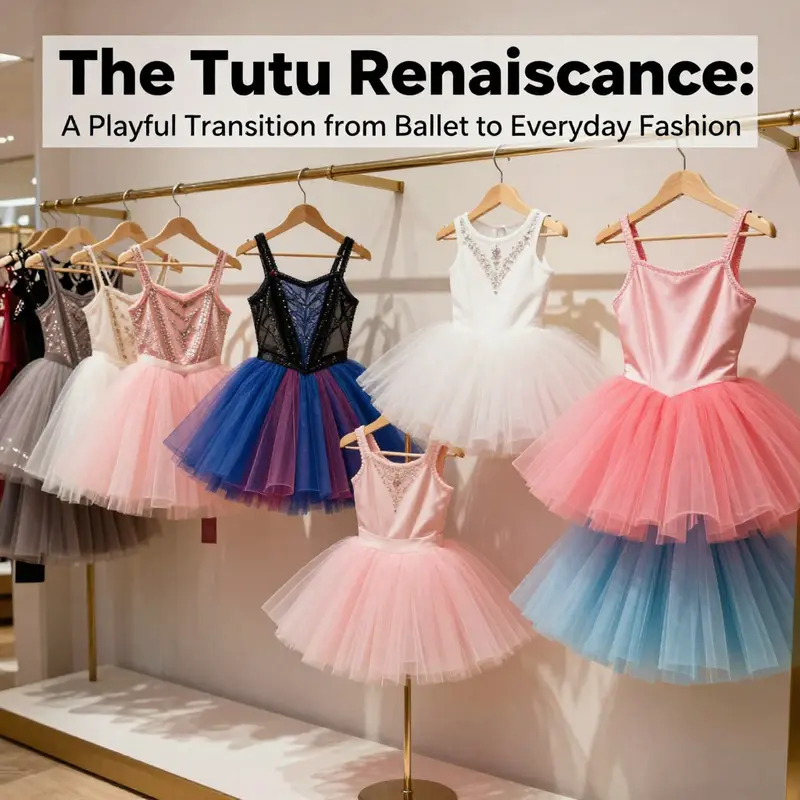
Tutu outfits have undergone a remarkable transformation, evolving beyond their ballet roots into vibrant fashion statements suitable for various occasions. This article delves into the rich history and modern relevance of tutu outfits. We will explore their evolution from traditional ballet attire, highlighting how they maintain their playful essence while embracing contemporary style. Furthermore, we will examine the advantages of tutu outfits for toddlers, focusing on comfort and mobility, making them the ideal choice for playful children. Finally, we will uncover the versatility of adult tutu outfits, showcasing their ability to blend seamlessly into everyday wardrobes. Together, these chapters shed light on why tutu outfits continue to captivate audiences, making them a staple in both children’s and adults’ fashion.
From Stage to Street: The Tutu’s Ongoing Evolution into Everyday Couture

The tutu began as a tool. Not a costume to dazzle an audience alone, but a design solution that allowed a dancer to ply intricate footwork with grace rather than be hindered by fabric. Over time, that pragmatic ballet garment found other stages—the street, the runway, the party, and the quiet corners of daily life. It carried with it the memory of cadence and discipline, then shed some of its theatrical stiffness to become a fashion statement that can speak in color, texture, and motion. The journey from the early, utilitarian skirt to today’s versatile tutu is not just a stylistic shift; it is a narrative about movement, comfort, and personal expression that transcends age and occasion. In tracing this arc, we see how a garment designed for the stage has learned to live in the wider world without losing its core sense of lightness and drama. The tutu’s evolution mirrors a broader cultural willingness to reinterpret performance wear as everyday attire, a shift that blends artistry with accessibility and invites wearers to claim a piece of performing arts history for their own daily lives.
To understand the roots, we return to the ballet studios of the nineteenth century, where the tutu was first shaped by a need for freedom at speed. Dancers sought a silhouette that would expose the precise articulation of the feet and legs—the signature of classical technique—while maintaining a line that read clearly under stage lights. The classic tutu emerged as a short, stiff skirt constructed from multiple layers of tulle. Its architecture was as much about performance as it was about aesthetics: it needed to hold its ground against the momentum of a leap and the sharp angles of a pirouette. Layers of tulle worked in concert with a bodice that stayed secure under exertion, and an elastic or tightly fitted waist ensured that the garment did not ride up or shift when a dancer was breathless from exertion. In this context, the tutu was less about romance and more about function—an instrument for the dancer’s craft, a frame through which the footwork could be studied in motion.
As with many tools in the arts, the tutu’s role began to expand once its form was understood. The transition from a strictly stage-bound artifact to a garment that could inhabit other spaces begins in the early twentieth century, when fashion designers and couturiers started to borrow the silhouette’s dramatic vocabulary. The tutu’s signature volume—its cloudlike, buoyant skirt—became a metaphor for transformation in haute couture and later in evening wear. The idea of reinterpreting a stage prop for the daily wardrobe carried a sense of theatricality that could be polished into elegance. Designers explored new ways to present the tutu: longer layers for movement that suggested a ghost of the choreographic, or shorter, more sculptural iterations that read as architectural elements on the body. The shift was not merely about length or color; it was a redefinition of what performance wear could signify when detached from a specific performance context. The tutu’s presence on the fashion stage signaled a broader cultural appetite for garments that celebrate performance heritage while inviting practical wearability.
By the time the fashion world leaned fully into the late twentieth and early twenty-first centuries, the tutu had become a symbol of audacious glamour and personal storytelling. Runways began to present tutus in bold hues, shimmering fabrics, and unexpected combinations. The silhouette diversified: designers experimented with softer, more fluid tulle that moved like a whisper, as well as stiffened constructs that held a sculptural integrity even in motion. The tutu’s versatility became its strongest argument. It could be paired with the grounded and the refined—denim and a blazer for a street-chic look, or a minimalist top with a single statement accessory for an evening ensemble. In this era, the tutu stopped being a costume or a performance prop for most people and started to become a symbol of self-expression. It offered a playful entry point into fashion for those who wanted to infuse their wardrobes with a sense of drama, without sacrificing comfort or practicality.
Today, the tutu exists as a flexible, multi-use garment that can be celebrated for its heritage while still feeling urgently contemporary. For many wearers, it is less about a strict adherence to a costume’s rules and more about the emotional resonance of movement. A voluminous skirt that swirls with every step has a way of translating a mood into fabric. A brightly colored layer or a slightly iridescent sheen can communicate confidence, whimsy, or nostalgia in a single glance. The modern tutu is at once festive and wearable, capable of at once anchoring a casual daytime look or elevating a more formal occasion. In the streetwear and festival scenes, tutus are reimagined with pared-down tops, rugged footwear, and accessories that temper their fantasy with real-world ease. In formal contexts, they team with sleek knits, tailored trousers, or structured jackets to convey authority tempered by poise. This is not a one-note trend. It is a flexible archetype that designers and wearers alike bend to express a broad spectrum of identities.
A practical thread runs through all these stylistic shifts: the tutu remains fundamentally about movement. A well-designed tutu gives the wearer freedom—freedom to walk, run, spin, and dance; freedom to lean into spontaneity; freedom to be seen as a person who is comfortable in their own skin. That emphasis on ease translates across ages, from toddlers to adults. For toddlers, the benefits are particularly pronounced. The elastic waistband, the lightweight construction, and the focus on breathable materials all contribute to better mobility during play. A child can climb, jump, and spin with fewer restrictions than might be found in heavier, more structured dresses. This is not to say that tradition is discarded; rather, the tutu is adapted to nurture a child’s curiosity and physical exploration. It becomes a vehicle for safe, joyful movement, a way for young wearers to experience the world without feeling confined by fabric or seams. Sensitive skin considerations—such as soft linings and the avoidance of scratchy labels—are central to this design philosophy, ensuring that movement remains a source of delight rather than discomfort.
The adult incarnation of the tutu further demonstrates its adaptive potential. In contemporary wardrobes, the tutu signifies more than nostalgia; it signals a willingness to foreground performance-inspired artistry in everyday life. The minimalist tendencies of modern fashion—clean lines, neutral palettes, and quiet luxury—often meet the tutu’s voluminous scale. In these moments, the tutu becomes a counterpoint to restraint, a deliberate choice to celebrate motion and mood. The wearer balances drama with restraint, pairing the tutu with grounded pieces like denim, a blazer, or a soft knit to anchor the silhouette. This pairing creates looks that feel intentional and modern, rather than costume-like. The appeal of the tutu in adult wardrobes lies in its capacity to be both a statement and a lived-in garment. It is a testament to how fashion can honor a history of performance while embracing everyday practicality.
Another dimension in the tutu’s modern life is the proliferation of themed or character-inspired styles. These designs fuse storytelling with fabric, bringing to life beloved stories and personalities through prints, sequins, and carefully chosen accessories. Themed tutus—whether playful, romantic, or fantasy-driven—offer a bridge between imagination and wearability. They work well for birthday parties, dance recitals, or themed events, but they also function in wholesale and retail markets as reliable, expressive options that can address diverse consumer desires. The appeal of character-inspired styles lies in their ability to spark creativity. They invite wearers to participate in a shared narrative while still providing the ease and comfort of a thoughtfully engineered garment. This balance—between whimsy and practicality—has helped the tutu endure as a popular choice across generations.
To speak to the market realities behind this evolution, it is useful to consider how the tutu is categorized in contemporary retail and wholesale environments. The vocabulary of tutu designations helps buyers and wearers navigate the spectrum from performance-grade to everyday-ready, and from classic silhouettes to bold reinterpretations. In many shops, tutu lines are divided into categories that reflect their intended context and aesthetic. A basic tutu, for example, offers a foundational silhouette that prioritizes comfort and ease of wear, making it suitable for daily use or light performances. A professional tutu, by contrast, emphasizes structure and durability, with attention to seam strength and fabric quality for regular movement on stage or in class. The romantic tutu leans into soft, flowing layers and delicate finishes that evoke a sense of timeless femininity, while licensed or themed options translate specific characters or stories into wearable form. These categorizations allow a tutu’s history to be interpreted through a contemporary lens, inviting wearers to choose a silhouette that aligns with their lifestyle while honoring the garment’s performative roots. Within this framework, the idea of a basic tutu category becomes a practical anchor for someone seeking a reliable, versatile staple that can be dressed up or down as needed. In exploring this space, one can appreciate how even the simplest version of a tutu can serve as a canvass for personal interpretation, much like a dress or a pair of jeans that evolves with the wearer’s mood and commitments. For those curious about a straightforward, durable option, see the basic tutu category for an essential starting point. basic tutu category.
This continuum—from the stage to street and back again—also reflects shifts in how communities perceive performance and body movement. The tutu’s story is not only about fabric and silhouette; it is about a culture that values mobility, self-expression, and the ability to repurpose heritage into modern relevance. The garment’s adaptability enables it to carry meanings that change with context. On a casual afternoon, a tutu can imply lighthearted confidence. At a formal event, it can suggest refined drama. In a workshop or rehearsal setting, it serves as a practical tool that supports practice and progression. The capacity to switch contexts without losing its essence is what makes the tutu uniquely poised for ongoing reinvention. In this sense, the tutu functions as a bridge: between the discipline of dance and the spontaneity of daily life; between the memory of a performance and the reality of contemporary wardrobes; between a child’s play and an adult’s creative self-expression.
As fashion continues to evolve in the twenty-first century, the tutu’s future seems likely to unfold through continued collaboration between designers, performers, and wearers. The fabric of choice—whether sheer, matte, or shimmering—will keep evolving, driven by innovations in textile technology and sustainable practices. The waistband and construction will continue to emphasize comfort and fit, recognizing that movement remains central to the garment’s appeal. Yet even as materials and silhouettes shift, the tutu’s core message will persist: clothing as a vehicle for motion, memory, and possibility. The tutu invites wearers to participate in a historical conversation about performance and identity, to reinterpret a classic symbol in ways that feel authentic to their own lives, and to celebrate the joy of moving through the world with a touch of theatrical charm. In this way, the tutu remains not only a relic of a glittering stage past but a living, breathing piece of fashion that continues to adapt, respond, and flourish.
For a deeper historical exploration that situates the tutu within a broader art-historical context, readers may consult a notable resource on ballet costume history. This reference offers a broader lens on how decorum, technology, and artistic aspiration shaped the form and function of the tutu across centuries. external reference: https://www.britishmuseum.org
Play-Ready Tutus: Designing Toddler Outfits for Comfort, Movement, and Everyday Magic
Play-Ready Tutus: Designing Toddler Outfits for Comfort, Movement, and Everyday Magic
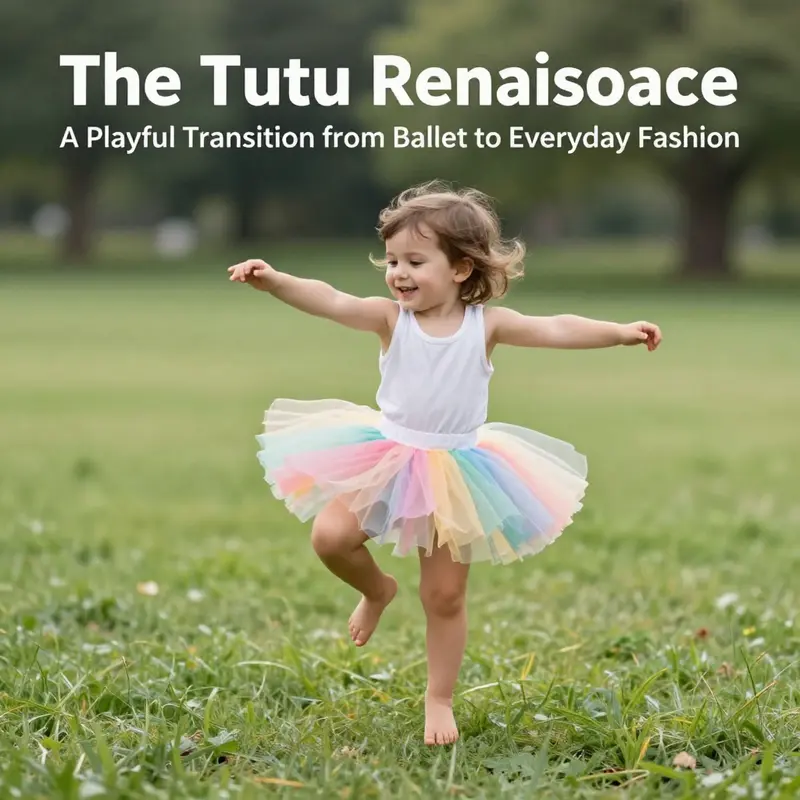
A toddler’s tutu should do more than look whimsical; it should support play, learning, and restful moments equally. When a parent chooses a tutu outfit for a young child, the decision blends imagination with practical needs. Toddlers spend their days climbing, toddling, spinning, and collapsing into a lap for a story. A thoughtfully designed tutu honors all these activities. The fabric, construction, and fit all influence whether the outfit becomes a go-to piece or a costume that sits unused. This chapter explores how tutu outfits can balance enchantment with everyday use, offering guidance that helps caregivers select garments that encourage movement and keep little ones comfortable.
At the heart of any toddler tutu lies the fabric. Lightweight layers create the floating silhouette that makes tutus so appealing. But for toddlers, the priority is breathability and softness. Natural fibers like 100% cotton breathe well and feel gentle against tender skin. Cotton blends that include polyester can improve durability while still allowing airflow. Tulle is often the visual star in tutu skirts. When chosen in soft, fine gauges it retains shape without feeling abrasive. Heavier, coarse tulle or stiff synthetics should be avoided for everyday playwear. These materials can rub at legs and cause overheating during active play. Likewise, vinyl or plastic coatings might deliver shine, but they trap heat and limit comfort. Seeking fabrics that wick moisture and allow ventilation will prevent discomfort and reduce fussiness.
Construction choices also determine how well a tutu supports movement. Elastic waistbands provide stretch that accommodates growth and fluctuating shapes. When the elastic is encased in a soft fabric tunnel, it avoids direct contact with skin and reduces chafing. Wide elastic bands distribute pressure more evenly than narrow ones, making them comfortable for prolonged wear. Another practical detail is skirt length: skirts that finish above the knee or have a generous cut leave room for crawling, climbing, and running. A too-long skirt can become a tripping hazard, while overly stiff layers hinder a child’s ability to sit or bend naturally.
Seams and hems matter for comfort. Toddlers have sensitive skin that can react to rough stitching and scratchy labels. Favor tutus with soft linings or finished seams. Small design choices like tagless labels or printed size markers significantly improve wearability. Adjustable features, such as straps that can be shortened or waistbands with buttonhole elastic, extend the garment’s useful life through rapid growth. These small investments reduce the pressure to buy new outfits constantly and allow the tutu to remain a reliable favorite.
Safety is a constant concern with children’s clothing, and tutus are no exception. While sleepwear demands strict flammability standards in many regions, playwear still benefits from fire-safe considerations. If a tutu might be worn around candles, outdoor fire pits, or theatrical pyrotechnics, selecting flame-resistant materials is wise. At minimum, avoid loose, trailing trims and long ribbons that can catch on playground equipment. Fastenings should be secure, but not impossible to remove in an emergency. Many parents prefer magnetic closures for older toddlers, and soft snaps or buttons that are sewn tightly for younger children. Inspect embellishments like sequins, beads, or glued decorations for secure attachment. Small pieces that come loose can present choking hazards.
Functionality extends to how a tutu is laundered. Toddlers are notoriously messy, so easy-care fabrics are favored. Machine-washable options that retain shape after gentle cycles are practical. When the tutu has delicate layers, placing it in a mesh laundry bag protects the skirt and other clothing in the wash. Air drying preserves the skirt’s silhouette better than tumble drying. For parents short on time, designs that allow the skirt to be detached from the bodice simplify washing. A removable tulle skirt can be hand-cleaned while the bodice goes into a quick machine wash.
Versatility is another strength of well-made toddler tutus. A neutral or coordinated color palette can pull double duty across casual days and special events. A simple leotard-style bodice pairs easily with a cardigan for cooler days. Layering options, like a soft cotton underskirt, add warmth without bulk. For themed events, character-inspired tutus add delight, but they need the same functional scrutiny as plain styles. Look for character prints and appliqués that are securely attached, and avoid stiff costume linings that reduce mobility.
Testing a tutu at home provides valuable information. Encourage the child to move in the outfit before accepting it as comfortable. Have them crouch, spin, climb onto a low chair, and run a short distance. Observing any restrictions or fidgeting reveals fit issues. Watch for waistbands that slip down during motion or straps that dig in when the child raises their arms. A toddler’s response—whether they reach to scratch a seam or wriggle to remove the garment—often signals whether a piece will be tolerated through a whole day.
Designers often balance simplicity and drama. For everyday use, a minimalist approach usually works best. A softly layered skirt and a plain bodice create a wearable look that complements toys and furniture. Yet punctuating details can maintain the tutu’s charm. A subtle satin bow, a tone-on-tone appliqué, or a small band of glitter tulle placed between layers can add personality without sacrificing comfort. Embellishments placed away from high-friction areas reduce the risk of rubbing. Elastic waistbands with a tiny decorative knot or covered sequins can be attractive while staying child-friendly.
Durability is key when garments experience rough play. Double-stitched seams, reinforced waistbands, and securely attached trims extend the life of a tutu. For toddlers who spend time outdoors, consider fabrics treated to resist dirt without harsh chemicals. Garments that stand up to repeated washes while maintaining softness and shape offer better value. Some parents favor tutus that can transition from child to sibling or be passed on to friends. Adjustable features and robust construction make this more feasible. Buying a slightly larger size to allow for growth, while using adjustable waists, can also lengthen the useful span.
Practical pockets or attachment points can increase playtime utility. While many tutus prioritize a clean ballet aesthetic, adding a small internal pocket for a comfort item, or a loop inside the waistband for holding a name tag, gives caregivers helpful options. These features do not need to be visible to maintain the tutu’s charm. Subtle utility elements improve everyday life while preserving the garment’s whimsical appeal.
Weather considerations influence fabric choice and layering strategies. In warmer months, prioritize thin cotton blends and fine tulle. For cooler seasons, add a soft cotton underskirt or pair the tutu with leggings and a thermal top. A lightweight, breathable cardigan layered over a bodice helps regulate temperature without overwhelming the child. Some tutus come with detachable sleeves or boleros, which can be practical for changing temperatures during a day out.
Color and pattern choices also affect how often a tutu will be worn. Pale pastels and classic pinks epitomize traditional tutus. Yet deeper hues and versatile neutrals can pair with a wider range of tops and outerwear. Patterns that hide small stains—like subtle florals or small-scale prints—can make outfits more resilient in daily life. For children who find textures stimulating, choosing soft, matte finishes over glossy or metallic surfaces reduces sensory overload.
Customization elevates a basic tutu into a personal favorite. Hand-sewn name patches, removable brooches, or simple fabric paint let families make a garment feel unique. Custom touches should remain soft and securely attached. Avoid brittle paints or rigid patches near the neckline or waist. Many caregivers involve toddlers in simple decorating choices; letting the child select a bow color or ribbon length helps build ownership and excitement about dressing.
For caregivers mindful of sustainability, material choices matter. Organic cotton and low-impact dyes reduce environmental strain. Selecting tutus that use fewer plastic trims and recycled fabrics helps minimize waste. Additionally, choosing well-made pieces designed to last allows families to pass garments along, reducing single-use clothing. Repairability is another factor: simpler construction with accessible seams makes a tutu easier to mend when small tears occur.
When purchasing tutus, consider product categories that match the intended use. Plain, soft tutus work best for everyday play. More ornate, structured designs are better suited for recitals or short-term costume use. Browsing a basic tutu collection can reveal simple silhouettes that prioritize fit and fabric over excessive decoration. For themed events, sections geared toward costume themes often provide character-driven designs with bold embellishments. Choosing the right category reduces disappointment when an outfit arrives; knowing whether a piece aims for performance or daywear clarifies expectations.
Finally, observe how a child interacts with their tutu over time. Initial delight may fade if the outfit restricts movement. Conversely, a tactilely pleasing, well-fitting tutu can become a comfort item and favorite piece of clothing. Prioritize choices that allow natural play, avoid materials that irritate, and opt for construction that endures frequent movement and washing. With these considerations, a toddler tutu becomes more than a pretty skirt. It supports motor skill development, encourages imaginative play, and offers a gentle introduction to self-expression through clothing.
For a practical reference on fabric and design choices when selecting toddler tutus, see the basic tutu collection for examples of simple, wearable silhouettes: https://luneballet.com/product-category/basic-tutu/.
For further reading on choosing skirts and skirts for children, consult this guide: https://www.weddingplanner.com/blog/how-to-choose-tutu-pink-skirts-for-girls-kids-wedding/.
Spin, Shine, and Sophistication: How Adult Tutu Outfits Redefine Modern Wardrobes

The act of wearing a tutu as an adult is less about play and more about language. It is a dialogue between motion and stillness, a bold statement that volume can be controlled, that whimsy can be anchored in polish. In recent seasons, adult tutu outfits have migrated from the theatre wings to the center of fashion discourse, moving through stages of casual cool, refined elegance, and experimental bravado. The modern tutu is not a costume kept for a single performance; it is a portable sculpture, a piece of wearable art that invites the wearer to author moments as they go. Its appeal rests on a few simple truths: the skirt is voluminous but featherlight, the silhouette is instantly recognizable, and the overall look can be tailored to a wide spectrum of contexts without losing its distinctive personality. Designers and dressers alike have learned that the tutu’s power lies not in complication but in the deliberate clarity of its lines, the way a soft layer of tulle catches light, or the dramatic lift of a multilevel cake skirt that sits comfortably at the waist and leaves room for movement. The result is a garment that is as practical as it is daring, as easy to slip into for a spontaneous night out as it is to integrate into a more formal lineup of tailored pieces.
The evolution from stage prop to daily wardrobe staple has taken place along a continuum of fabrics, colors, and silhouettes. A tutu crafted from pale iridescent tulle can read as ethereal and dreamlike, a whisper of a fairy tale that suits themed gatherings, bridal showers, or the kind of brunch where photos will be remembered for years. The same garment, reimagined in a structured satin or a heavier, jewel-toned fabric, gains a grounded maturity. It becomes a canvas for evening wear, a modern alternative to a classic column dress or a bold centerpiece for a minimalist outfit. The versatility lies in the way the tutu is worn: it can be paired with a sharply tailored blazer for a chic counterpoint, layered over a pair of well-cut jeans for a playful twist, or worn solo with a sleek knit to create a look that is both confident and carefree. The elasticity of the waist, the stretch of the fabric, and the choice of undergarments work together to ensure comfort during long evenings, dancing, or long conversations that stretch into the night.
What makes adult tutu outfits genuinely contemporary is the expansive range of styles available today. The modern tutu covers a world from whimsical to refined, and it does so with a clarity that feels deliberate rather than derivative. A soft, pastel palette can evoke the gentleness of a sunrise; a deep, saturated hue can anchor a look in a formal setting; a metallic or iridescent finish can transform the same garment into a showpiece that moves with a dancer’s grace while remaining suitable for a red-carpet moment. The design vocabulary includes multilevel cake skirts with elastic waists, which offer a balance between drama and comfort. These silhouettes fly with the wearer’s movement rather than fighting against it, a practical consideration for dancers and fashion enthusiasts alike who want a dramatic silhouette without sacrificing comfort. It is this blend of performance heritage and street-ready practicality that has enabled the tutu to move fluidly between staged choreography and spontaneous self-expression.
As the boundaries between fashion and performance blur, the tutu has become a framework for personal storytelling. In conversations about how adults dress, there is growing curiosity about how to express identity through attire that stands out without shouting. The tutu, with its inherent theatricality, offers a formal vocabulary that can be softened or sharpened to suit the moment. A pastel tutu paired with a soft blazer communicates gentleness and confidence in equal measure. A bold, solid-color satin tutu worn with a sculptural leather jacket signals a more avant-garde intent. The fabric choices and color stories matter as much as the cuts; they guide how the garment reads in different environments—from a casual gallery opening to a high-end charity dinner. When color, texture, and silhouette are balanced with the right accessories and footwear, the tutu ceases to be a novelty and becomes an enduring element of a thoughtful wardrobe.
The physical comfort of the tutu is not an afterthought but a cornerstone of its modern appeal. The waistline often uses an elastic band that accommodates growth and fluctuating shapes, a feature that makes the garment friendlier to a long evening or a busy weekend. Breathable tulles and lighter fabric weights help keep temperature comfortable as the wearer moves through crowds or dances under lights. This approach is especially meaningful for adults who want to maintain a sense of ease while still enjoying the garment’s exuberance. The soft edges, the gentle sway of the tiers, and the possibility to layer a tutu over jeans or tights create a dynamic range of looks without requiring a complete wardrobe overhaul. The tutu becomes less a single costume and more a modular element that can be reimagined for many occasions.
In thinking about styling, it is useful to imagine the tutu as a starting point rather than a final statement. The base is the skirt itself, but the rest of the look can be assembled slowly, with intention. A pastel, iridescent tutu can anchor a dreamy ensemble when paired with a delicate top and a pair of classic heels, or it can be transformed into a whimsical streetwear moment with sneakers and a crisp denim jacket. A satin, solid-color tutu can be the anchor of an evening outfit when combined with a tailored blazer, a silk blouse, and a pair of pointed-toe heels. In both cases, accessories—minimal jewelry, a structured clutch, or a bold belt—become the punctuation marks that finish the sentence. The aim is to maintain balance: flamboyance should be tempered by grounded pieces, and the tutu should never appear to be the sole designer gesture in a look. When the right counterpoints are in place, the result is a look that feels both deliberate and approachable, a testament to how a garment that began on a stage can inhabit daily life with equal grace.
Designers and stylists have increasingly embraced the tutu as a way to explore identity without surrendering practicality. The idea that a tutu is inherently childish or unserious is steadily eroding as modern fashion takes cues from sculpture, art installation, and couture tailoring. The tutu’s geometry—its circular movement, its layers, its waistline—invites the wearer to experiment with weight, proportion, and silhouette. It rewards confidence; it rewards curiosity. When worn with an oversized blazer, it suggests authority and whimsy in one breath. When worn with a soft knit, it communicates comfort and playfulness. This duality is not a contradiction but a deliberate design choice, designed to remind wearers that clothing is a resource for storytelling, not a constraint. The adult tutu has found a voice in contemporary culture precisely because it can hold multiple meanings at once—romantic, rebellious, polished, undone—and still feel coherent in a single glance.
For those who are new to incorporating tutus into adult wardrobes, practical guidance can demystify the process. The first step is to consider why you want to wear one in the first place. Is the goal to bring a touch of whimsy to a standard business-casual outfit, to host a themed party with confidence, or to push your personal style into more avant-garde territory? Once the objective is clear, the rest follows with greater ease. Start with a quality base, a tutu that fits well and feels comfortable across long wear. The elastic waistband should lie flat against the body, not pinch or ride up. The length should be appropriate for the setting; a mid-length or slightly shorter tiered skirt can feel more versatile for daytime events, while a longer or fuller tier can anchor evening ensembles. From there, choose a top, jacket, or knit that harmonizes with the tutu’s color story. Neutral or monochrome tops can anchor a bold skirt, while a top in a complementary hue can enrich the overall palette. For monochrome looks, the texture of the fabric becomes the central magnet; for color-blocked outfits, the tutu can act as the vibrant focal point.
Incorporating florals, metallic threads, or subtle sequins can elevate a tutu to evening readiness without tipping into costume territory. A soft iridescent finish can catch light in a way that feels organic rather than performative, especially when paired with a simple accessory plan. Shoes play a pivotal role in the overall impression. Heels elongate the line for formal settings; flat sandals or sleek boots can translate the same tutu into casual chic. If you want a grounded, everyday look, try wearing a tutu over slim leather pants or tailored joggers to preserve movement while adding a note of structure. The key is to think of the outfit as a composition rather than a single star performance. The tutu should be the heart of the arrangement, but not the sole driver of style; everything else should support and frame its energy rather than compete with it.
The conversation around adult tutus also intersects with the broader fashion economy, where wholesale and retail strategies contribute to how these garments reach different audiences. A well-curated tutu collection, whether for daily wear or stage-ready performance, benefits from a balance between durability and design flourish. Constructing a capsule that includes base pieces compatible with a range of activities helps ensure longevity in a wardrobe. The goal is to offer pieces that can be mixed and matched across seasons, not just a single-year trend. In practice, this means selecting tutus with stable elastic waists, secure stitching, and resilient finishes that stand up to repeated wear and washing. It also means recognizing the importance of color stories and fabric families, so that a single tutu can be the starting point for multiple looks across events, from casual meetups to artistic showcases.
For those seeking a structured avenue into this trend, there is a natural place to explore a more professional or performance-oriented side of tutu styling. In the wider fashion ecosystem, the professional-tutu category provides options that emphasize stability, ease of wear, and movement-friendly design. Exploring this range can offer insight into how performance sensibilities translate into everyday fashion, and how garment construction supports the wearer through hours of activity, rehearsals, or social hours that spill into late nights. To view a curated option in the professional tutu range, consider exploring this collection labelled in the catalog as professional-tutu. This pathway helps bridge the gap between stage-ready design and street-ready practicality, underscoring the tutu’s adaptability and its growing acceptance as a credible wardrobe staple rather than a novelty accessory.
The modern tutu is thus both a celebration and a study. It celebrates the courage it takes to stand out, the joy of motion, and the way light plays across layered skirts. It also serves as a study in proportion, texture, color, and the psychological effects of clothing on perception. A well-chosen tutu can alter how others interpret an outfit and, by extension, how the wearer experiences a moment. It invites a kind of play that is intelligent, self-directed, and precise. It is not about pretending to be someone else; it is about expanding the range of who you can be in a single look. The tutu invites adults to reclaim a sense of playfulness without forfeiting sophistication. It offers an invitation to experiment with identity in a world that often rewards consistency—an invitation that many fashion-minded adults have accepted with enthusiasm, turning the tutu into a reliable instrument for personal expression.
As fashion guides and stylists repeatedly remind readers, the modern tutu is not a costume but a wardrobe tool, capable of expressing mood, occasion, and self. The right tutu can anchor a night out, a performance, or a quiet moment of reflection when paired with a thoughtfully chosen top and accessories. It is this capability—transforming mood and setting with a single garment—that keeps the tutu relevant across generations. The style is not restricted by age; it is enhanced by it, inviting wearers to reframe a familiar silhouette through the lens of contemporary taste. And while the tutu is playful at its core, it is the careful balance of play and restraint that makes it enduring. The wearer learns to moderate glamor with function, as any well-cut piece should, and in doing so reveals that modern fashion can be both outwardly dramatic and inwardly serene.
If you are curious about how to begin, consider a practical starting point: a high-quality, well-fitted tutu that aligns with your taste and daily rhythm. The key is always balance. The garment should feel at ease when you move, not merely when you pose. Try it with a soft knit for a relaxed weekend look, or with a crisp blazer for a business-casual moment that nods to couture without shouting. The layering possibilities are abundant, and the potential combinations nearly endless when you begin from a place of confidence and curiosity. In the end, the tutu is less about achieving a particular trend and more about inviting a personal evolution in how you present yourself to the world. When styled with care, it becomes a dependable ally in expressing creativity, challenging norms, and celebrating individuality in a way that feels both modern and timeless.
To further explore the breadth of adult tutu styling and to see how designers and wearers are shaping this trend, you can navigate a curated professional-tutu collection that highlights movement-friendly construction, durable finishes, and elegant silhouettes designed for real life. This curated approach helps ensure that the garment remains comfortable, flattering, and appropriate for a range of occasions—from performances and dance classes to social gatherings and quiet, reflective moments of daily wear.
External reference: British Fashion Council highlights the cultural resonance and evolving role of adult tutus in contemporary fashion, offering broader context for how this garment has moved beyond its stage origins to become a serious, expressive option for modern wardrobes. British Fashion Council article
Final thoughts
Tutu outfits represent a captivating blend of history and modern fashion, making them versatile garments for all ages. From their roots in ballet to playful toddler wear and sophisticated adult styling, tutus continue to offer unmatched comfort and stylish options across various occasions. Their ability to adapt and evolve has solidified their place in both children’s play and adult wardrobes. Embracing the tutu means embracing joy, creativity, and the freedom to express oneself through fashion.