
Introduction
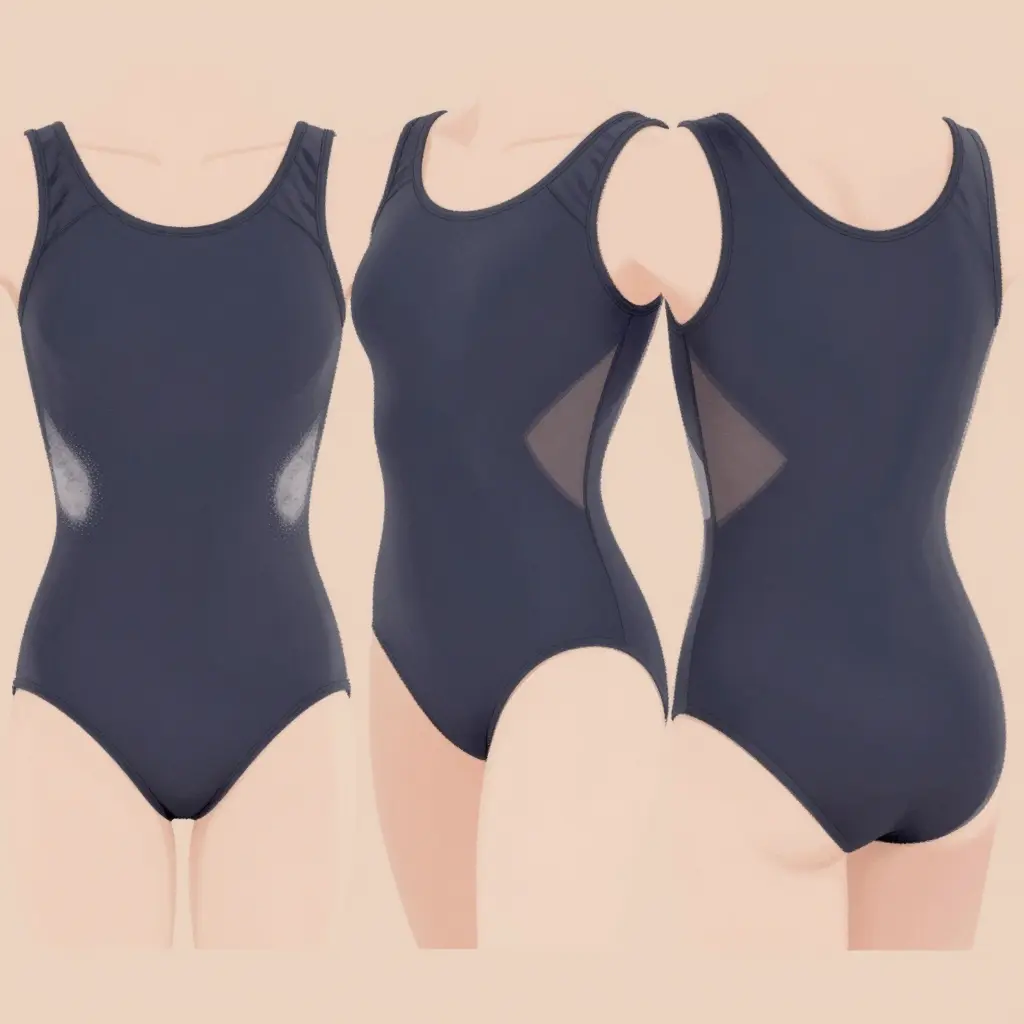
Pilling is what happens when loose fibers work their way up through a fabric and knot into tiny, tangled balls. On a leotard, two spots go first: the underarm and the hip. Those fuzzy clusters are not dirt or lint. They are the fabric’s own fibers, pulled to the surface and matted together by repeated rubbing.
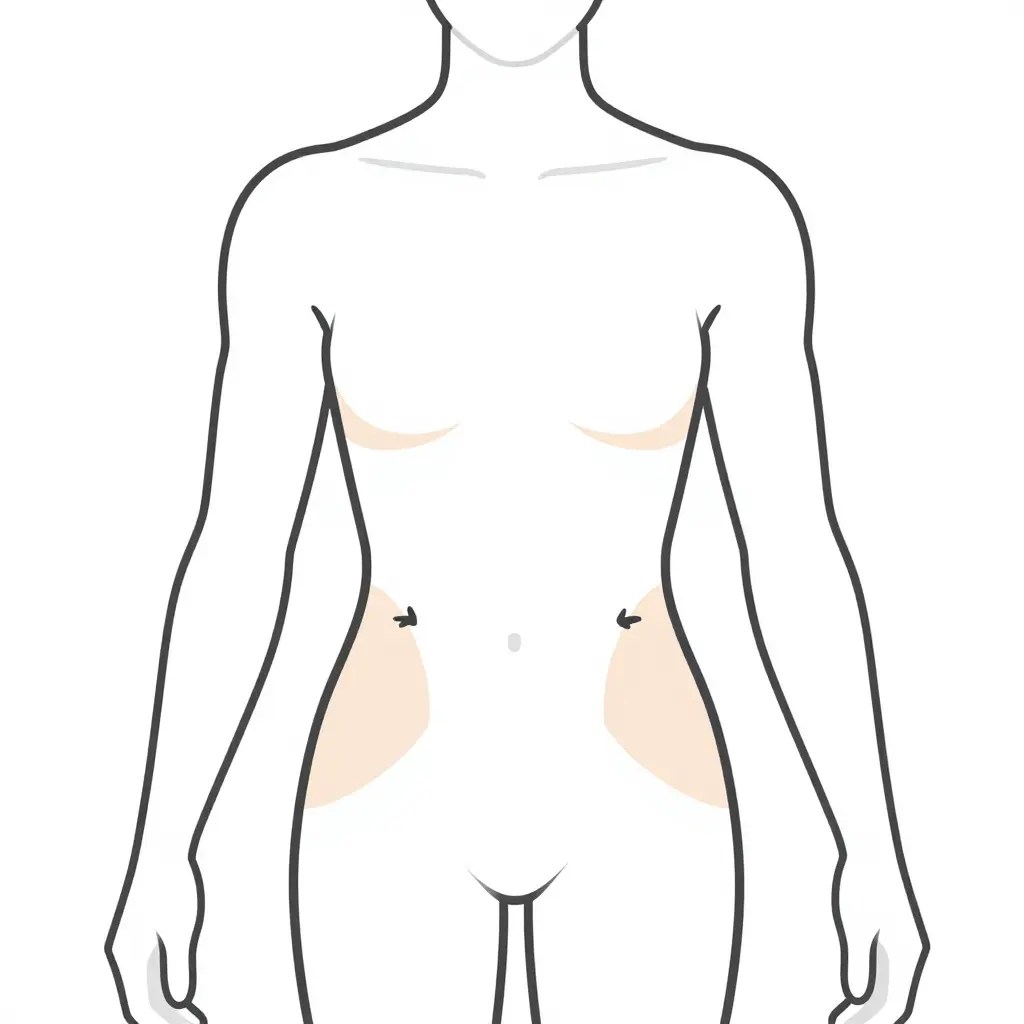
Both zones get hit constantly. At the underarm, the arm and side seam graze each other with every movement. At the hip, the fabric stretches and shifts against the leg line. How fast the surface breaks down depends on friction, moisture, and how a given fiber blend is put together; the same dance apparel care principles that protect other garments apply here too.
What follows covers how the fiber blend shapes pilling, where friction does the most damage, and how to tell when a leotard should be replaced rather than worn again.
How Fiber Blend Chemistry Creates Pills
Cotton is a plant fiber. Modal and bamboo are regenerated cellulose: plant pulp is dissolved and extruded into new fibers, so they behave more like semi-synthetics than like cotton. All three feel soft, breathe well, and absorb moisture. Polyester, spandex (elastane), and nylon are synthetic polymers, strong and stretchy in ways cotton is not. Put the two families in one leotard fabric and their different behavior sets the stage for pilling.
A pill starts when a few short staple fibers work loose from the yarn. Staple length is what matters here: shorter staples leave more free fiber ends, and those ends migrate to the surface during movement and washing. There they rub against neighboring fibers, tangle, and curl into little balls.
In athletic leotards, spandex supplies the stretch that lets a gymnast hit a split or a dancer extend a line. It also pills readily, because elastane filaments are extremely fine and break under the abrasion that builds up at friction points like the underarm and hip.
It sounds backwards, but blending soft natural fibers with tough synthetics can make pilling worse. The natural fibers fuzz and break first, while the synthetic fibers anchor the loose pills in place so they cannot shed.
Three things set the pace: yarn twist, staple length, and fabric density. Tight twist locks fibers together. Longer staples leave fewer loose ends. Dense knits expose less fiber to friction. A loose, low-twist fabric spun from short staples is a pill magnet, which is why leotards pill first at the high-rub zones.
To read fabric structure the way a costume maker does, this fabric-reading resource walks through how tulle and knit construction behave.
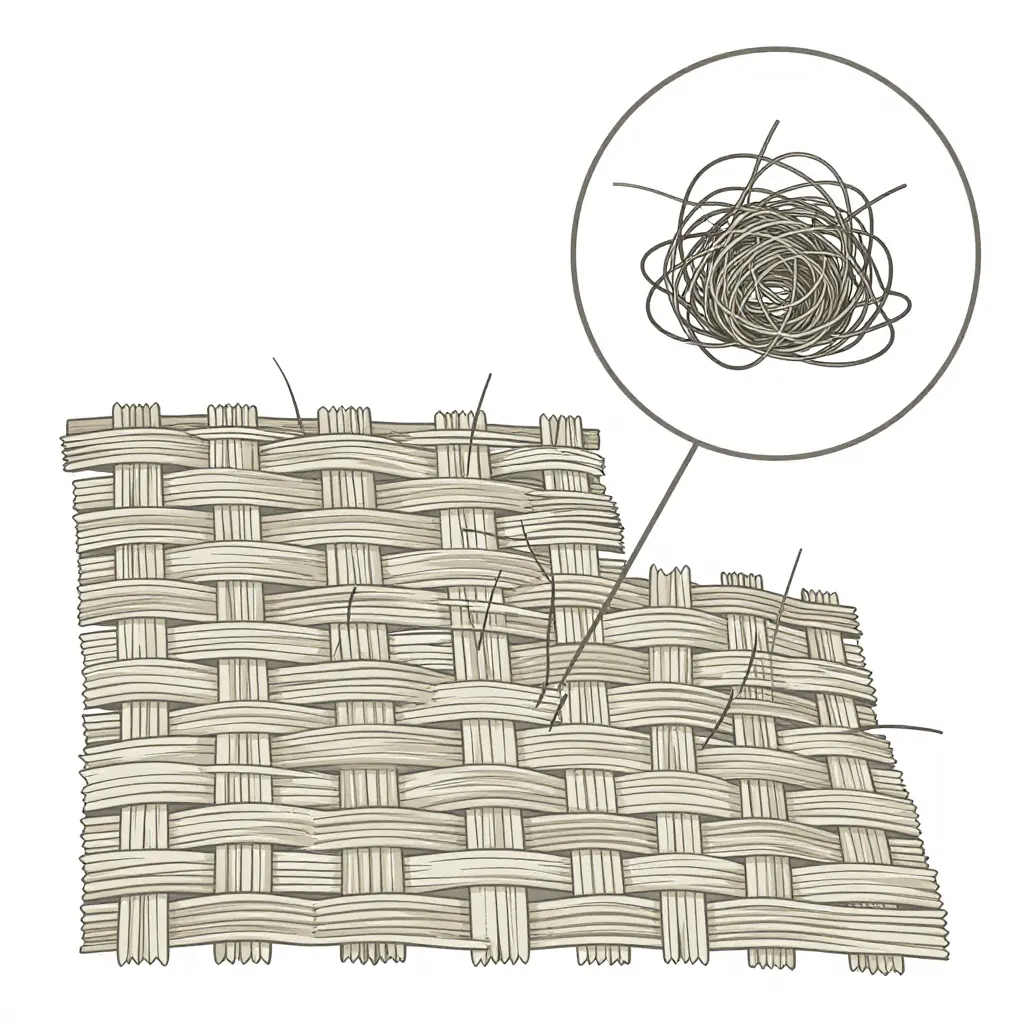
How pilling starts: friction lifts loose short staple fiber ends out of the weave, they migrate to the surface, tangle with neighbors, and knot into a round pill.
The Underarm: A High-Friction Contact Zone
The underarm is the busiest spot on a leotard. Every reach, wave, and lift drags fabric across skin, and the rubbing starts working the surface right away. This is usually where you notice underarm pilling first: the small fuzzy balls that make an otherwise smooth fabric look worn.
Two things work together here. One is motion — skin rubbing against fabric hundreds of times per class. The other is moisture. Sweat softens the fibers so they break and tangle more easily, and body heat keeps the area warm and damp, which is the perfect setup for pills.
Spandex is not exempt. The fabric stretches and snaps back with every arm movement, and that repeated cycle weakens the fiber bonds. Seams and binding squeeze the pressure into a narrow line, so damage along these friction points builds faster than anywhere else on the garment. That is why the underarm often fails long before the rest of the leotard.
Knowing where leotard wear zones fall helps you catch trouble early. If the underarm feels rough or looks dull, pilling has already begun. To see why some leotards resist it better than others, compare how different weaves hold up in this ballet tutu guide on fabric construction.
Common Leotard Fiber Blends and Their Pilling Tendency
| Fiber Blend | Primary Components | Typical Pilling Risk (Low/Moderate/High) | Best Use Case |
|---|---|---|---|
| 90% Cotton / 10% Spandex | Natural cotton fibers with stretch elastane | High | Everyday studio wear and beginner classes where breathability and softness matter most |
| 82% Nylon / 18% Spandex | Synthetic polyamide with a high elastane ratio | Low to Moderate | Competitive gymnastics and dancewear needing strong shape recovery and a snug fit |
| 80% Polyester / 20% Spandex | Synthetic polyester with elastane | Moderate to High | High-sweat training and chlorine-resistant leotards built for durability |
| Cotton / Poly / Spandex Tri-Blend | Blended natural cotton, polyester, and elastane | Moderate | All-day comfort leotards balancing softness with improved longevity |
| Bamboo / Spandex | Regenerated bamboo cellulose with elastane | Low | Sensitive-skin and eco-conscious dancers wanting a silky, moisture-wicking feel |
| Modal / Spandex | Regenerated beech cellulose with elastane | Low | Premium-feel leotards for performances, photoshoots, and long rehearsals |
Short-staple fibers and loose constructions pill most, and the risk concentrates at high-friction hotspots like the underarm and hip.
The Hip: Where Stretch and Sit Cause Abrasion
The hip is one of the most abused zones on any leotard. A plié, an arabesque, a split, a floor slide — each one forces the fabric to bend, stretch, and snap back across a joint built for an enormous range of motion. Hip pilling begins inside that cycle.
Sitting adds a second layer of stress. When dancers settle onto mats, studio floors, or benches, the leotard is pinned between skin and a rough surface. Every small shift grinds fibers against grit, dust, and heat, lifting loose ends into tangled balls.
The friction points cluster at the seat, the outer thigh, and the crease where the leg meets the torso. These areas see the most contact and the least airflow, so fibers fray faster than they do under the arm.
The bigger issue is stretch recovery. Spandex works by stretching and returning to shape. When recovery fades through age, heat, or chlorine, the fabric stays slightly loose instead of snapping back. Loose fibers rub against each other with every movement, and stress concentrates at the hip because the joint’s wide range of motion stretches it the most.
So pills appear wherever movement and pressure overlap.
Rotating leotards, washing them cold, and air-drying limit the damage. Pair those habits with the movement choices covered in our related guide to adult tutu movement and fit, and you can spot wear early enough to decide when a garment has earned its retirement.
Pilling Severity by Fabric Blend
Not all leotards age the same way. The blend sitting against your skin decides how quickly those fuzzy balls appear at the underarm and hip, where friction never stops. This ranking scores six common blends on a relative pilling severity scale from 0 (barely any fuzz) to 10 (visible pilling within weeks):
- Cotton/Spandex – 8.5: Cotton’s short, staple fibers work their way loose fast, especially under continuous friction.
- Polyester/Spandex – 7.5: Durable and stretchy, but low-twist polyester still sheds fibers where the fabric rubs.
- Tri-Blend – 6.0: A middle ground – softer hand-feel than pure synthetics, with moderate fuzz buildup.
- Nylon/Spandex – 4.0: Long filament fibers resist breaking, keeping pilling visibly lower.
- Modal/Spandex – 3.5: Smooth, long fibers stay tidy through washing and wear.
- Bamboo/Spandex – 3.0: The calmest of the bunch, with tightly bound fibers that rarely pill.
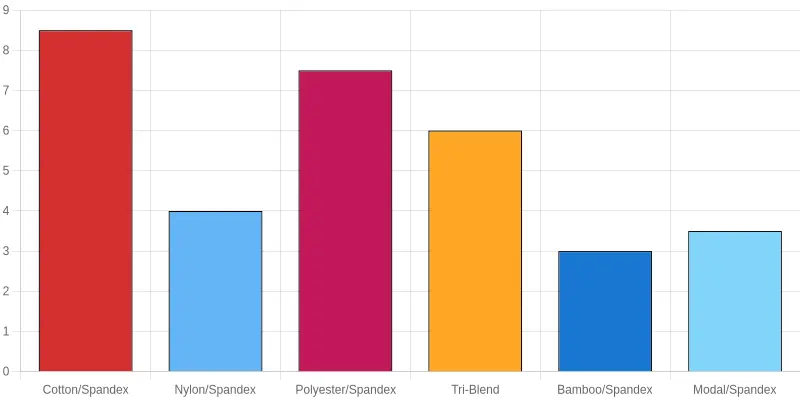
This chart condenses friction-test observations into a single visual comparison, so you can see at a glance which blends hold up best after repeated wear cycles.
The pattern follows staple length as much as fiber type: short-staple blends score higher, while long-filament blends like nylon, modal, and bamboo stay lower. If you want the full picture on how fibers and friction interact, our ballet tutu guide breaks down fabric choices in more depth.
What the Numbers Mean for Your Wardrobe
A pilling score forecasts friction; it is not a verdict on durability overall. The underarm and hip take the most rubbing, so even a sturdy leotard eventually shows wear there. Use the chart as a buying guide:
| Blend | Score | Best For |
|---|---|---|
| Cotton/Spandex | 8.5 | Gentle, low-impact practice |
| Polyester/Spandex | 7.5 | High-intensity training |
| Tri-Blend | 6.0 | Everyday studio wear |
| Nylon/Spandex | 4.0 | Frequent washing |
| Modal/Spandex | 3.5 | Smooth, polished look |
| Bamboo/Spandex | 3.0 | Longevity-focused dancers |
When pilling starts clustering at the underarm and hip seams, it is usually your cue to rotate in a fresh leotard. Friction damage, once visible, tends to accelerate.
Factors That Accelerate Pilling in Leotards
Pilling rarely happens overnight, and knowing what speeds it up helps you protect your gear. The everyday culprits to watch for:
- High body heat – Warmth softens the spandex fibers, letting loose strands migrate to the surface and tangle into pills faster.
- Frequent washing at high temperatures – Hot water swells and weakens the fiber blend, so broken filaments clump together during the wash cycle.
- Dryer heat – Tumble drying on high settings boosts abrasion and shrinks spandex, encouraging friction-driven pilling.
- Rough surfaces like gymnastics mats – Repeated contact with coarse mat textures snags individual fibers and drags them into visible pills.
- Tight straps and seams – Constant pressure points grind fabric against itself, concentrating friction right where pills first appear.
- Loose, low-twist knits – Open constructions release fiber ends to the surface, where they tangle into pills; good habits for caring for delicate dancewear keep them from building up.
- Overstretching spandex – Pushing elastane past its elastic limit breaks fiber bonds, and the frayed ends ball up under movement.
- Prolonged sweat exposure – Sweat salts and acids gradually degrade the fabric, making fibers more brittle and prone to pilling.
Catch these triggers early and you can adjust your routine, getting more wear out of every leotard you own.
Frequently Asked Questions About Leotard Pilling
Can pilling be removed once it starts?
Yes, though results vary. A fabric shaver or de-pilling comb gently lifts away surface fuzz, restoring a smoother look; a fine-grit sweater stone handles the stubborn pills. Just do not tug the fibers. Aggressive removal thins the fabric and creates new weak spots that accelerate future pilling.
Does fabric softener prevent pilling?
No, and it often makes things worse. Fabric softener coats fibers, weakens them over time, and can loosen the surface fibers that later tangle into pills. Skip it. A gentle, pH-balanced detergent and cool water protect a leotard far better than any softener or dryer sheet.
Are cotton leotards less likely to pill than synthetic ones?
Cotton’s short staple fibers pill readily, but cotton pills tend to shed. Synthetic fibers like polyester and nylon are strong, yet they pill under friction and hold the pills in place, so the fuzz stays visible. Pure cotton also stretches poorly for dance. A blend that pairs cotton with a small percentage of spandex balances comfort, stretch, and durability, though it still pills more than a long-filament nylon or modal blend.
How do I wash a leotard to reduce pilling?
Turn it inside out, wash in cold water on a gentle cycle, and use a mesh laundry bag. Keep rough items like towels or zippered garments out of the load, since they cause abrasion. Line dry or lay flat instead of using a hot dryer, because heat and tumbling stress the fibers. These habits slow fabric pilling significantly over time.
Does pilling affect performance?
Mostly it is cosmetic, but heavy pilling signals fiber damage. Once leotards pill at the underarm and hip, the fabric there has thinned and lost elasticity, which can reduce stretch and comfort during practice. If pills feel rough against skin or the material sags, it is a sign the leotard is nearing the end of its useful life.
Which fabric blend resists pilling best?
Blends with a tight knit and moderate spandex content (around 15-20%) tend to resist pilling well, especially when combined with nylon or high-quality polyester. Look for smooth, tightly woven surfaces, since loose knits trap and tangle fibers more easily. For broader ballet wardrobe guidance, well-constructed blends outlast pure cotton or loose synthetics over repeated wash-and-wear cycles.
Caring for Your Leotard: Slowing the Wear
Caring for a leotard comes down to three things. First, the fiber blend sets its pilling potential: short-staple fibers shed and tangle, while long-filament fibers resist those fuzzy surface balls. Second, the underarm and hip drive most of the wear, since those zones constantly rub against skin, seams, and equipment through every stretch, leap, and tuck. Third, knowing when to replace a worn leotard protects your comfort and performance, because thinning fabric and stretched elastic quietly undermine fit, support, and confidence.
A few easy habits slow the process considerably:
- Wash inside out in cold water to limit surface abrasion.
- Air dry instead of tumble drying.
- Avoid dryer heat, which weakens elastic and encourages pilling.
- Rotate between multiple leotards so each one recovers between wears.
- Choose blends with longer staple fibers for greater durability.
For more wardrobe guidance on how performance pieces evolve over time, explore this related resource on ballet tutu traditions. Consistent care extends the life of even a well-made garment, keeping the fabric smooth and supportive.
Choosing quality dancewear built with thoughtful construction is the surest way to keep every class, rehearsal, and performance feeling as good as it looks.